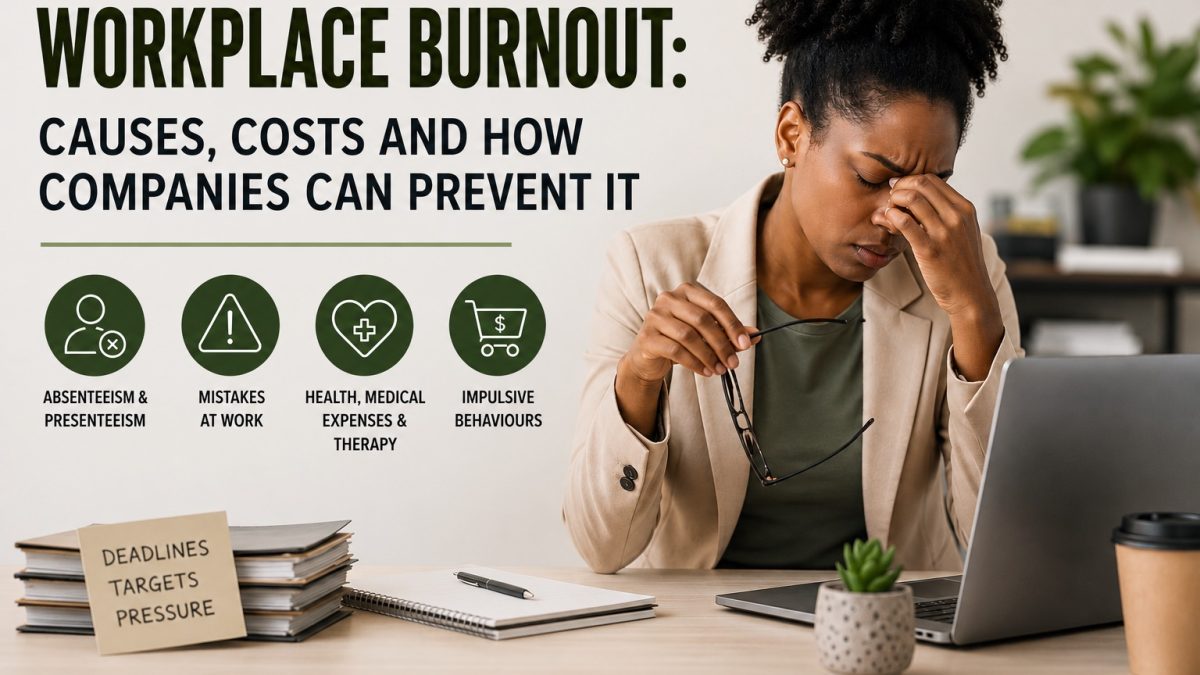

Since 2019, the World Health Organization (WHO) has recognised burnout as an occupational phenomenon. It is not classified as a medical condition but as a syndrome resulting from chronic workplace stress that has not been successfully managed.
Simply put, burnout is a state of profound physical, mental, and emotional exhaustion. It is the kind of fatigue that a good night’s sleep or a weekend off cannot fix.
While burnout is most associated with the workplace, its effects often extend far beyond our jobs. It can influence our relationships, finances, physical health, and overall quality of life. Burnout can also occur in other roles, such as caregiving, where the ongoing demands of supporting others can leave individuals emotionally and physically depleted.
Whether it begins at work or at home, unmanaged burnout has a way of spilling into every area of life, making it harder to think clearly, make sound financial decisions, maintain healthy relationships, and enjoy everyday living.
How Burnout Starts
Burnout rarely happens overnight. It develops gradually as stress accumulates over time without adequate recovery or support. What often begins as enthusiasm, commitment, or a desire to perform well can slowly turn into exhaustion. It is not simply the result of working long hours; it develops when employees are repeatedly exposed to workplace conditions that create stress, without providing the support or resources needed to manage it.
Factors that contribute to burnout includes:
- Broken systems you cannot fix. Constantly working around inefficient processes, outdated technology, or poor communication can leave employees feeling frustrated and powerless.
- Work that adds little or no value. Spending hours on unnecessary meetings, repetitive administration, or tasks that do not contribute to meaningful outcomes can reduce motivation and job satisfaction.
- Unattainable targets and unrealistic expectations. When goals are consistently impossible to achieve, employees may feel they are failing regardless of how hard they work, leading to chronic stress and emotional exhaustion.
- A hostile or abusive work environment. Bullying, harassment, discrimination, poor leadership, or a culture of fear can damage psychological safety and significantly increase the risk of burnout.
- Lack of recognition or appreciation. Feeling invisible despite consistently delivering results can erode motivation and engagement.
- Little control over your work. Having no influence over decisions, priorities, or how work is completed can create feelings of helplessness and disengagement.
- Insufficient staffing or resources. When employees are expected to do more with less for extended periods, stress becomes chronic and unsustainable.
The Cost of Burnout to Companies
Burnout is more than an employee wellbeing issue—it is a business performance issue. When employees experience chronic stress and exhaustion, organisations often pay the price through reduced productivity, higher costs, and increased turnover.
Some of the hidden costs of burnout include:
- Absenteeism and presenteeism. Burned-out employees are more likely to take sick leave. Those who continue coming to work often struggle to concentrate and perform at their best, reducing overall productivity.
- More mistakes and lower quality of work. Mental exhaustion affects attention, memory, and decision-making, increasing the likelihood of errors, missed deadlines, customer complaints, and safety incidents.
- Higher healthcare costs. Burnout is associated with increased physical and mental health concerns, including anxiety, depression, sleep disorders, hypertension, and cardiovascular disease. This can lead to higher medical claims, counselling or therapy costs, and greater use of employee assistance programmes.
- Impulsive and poor decision-making. Chronic stress reduces self-control and judgment. Employees may make rushed decisions, react emotionally, engage in workplace conflict, overspend, or take unnecessary risks that affect both business outcomes and their personal financial wellbeing.
- Higher employee turnover. Burnout is one of the leading reasons employees resign. Replacing experienced staff requires significant investment in recruitment, onboarding, and training while productivity declines during the transition.
- Reduced engagement and innovation. Burned-out employees are less likely to contribute ideas, collaborate effectively, or go beyond their minimum responsibilities, limiting creativity and organisational growth.

What Companies Can Do to Help Employees Overcome Burnout
Burnout cannot be solved by asking employees to be more resilient. While self-care is important, organisations play a critical role in creating an environment where people can perform well without sacrificing their health.
Here are practical ways companies can reduce burnout and support employee wellbeing:
1. Address the Root Causes
Identify the workplace factors driving burnout, such as excessive workloads, unrealistic deadlines, chronic understaffing, inefficient systems, or unclear roles. Fixing these issues has a greater impact than offering occasional wellness activities.
2. Train Leaders to Recognise Burnout
Managers are often the first to notice changes in employee behaviour. Equip leaders to identify early warning signs, have supportive conversations, and respond appropriately before burnout becomes severe.
3. Review Workloads and Expectations
Ensure workloads are realistic, and priorities are clear. Encourage teams to focus on high-value work instead of rewarding long hours or constant availability.
4. Create a Culture of Psychological Safety
Employees should feel comfortable speaking up about stress, workload, or mental wellbeing without fear of criticism or negative career consequences.
5. Encourage Rest and Recovery
Promote regular breaks, annual leave, flexible work arrangements where appropriate, and healthy boundaries between work and personal time. Recovery is essential for sustained performance.
6. Recognise and Appreciate Employees
Acknowledging effort and celebrating achievements helps employees feel valued and strengthens engagement, even during demanding periods.
7. Invest in Employee Wellbeing
Provide access to counselling services, Employee Assistance Programmes (EAPs), mental health resources, financial wellness education, stress management workshops, and resilience training. Wellbeing should be part of an ongoing strategy, not a one-time initiative.
8. Simplify Work Processes
Reduce unnecessary meetings, automate repetitive tasks, and improve systems that create frustration and waste time. Employees should spend more time on meaningful work than navigating broken processes.
9. Encourage Financial Wellbeing
Financial stress often amplifies burnout. Offering financial wellness programmes, budgeting workshops, retirement planning, and access to financial coaching can reduce one of the most common sources of employee anxiety.
10. Measure and Monitor Employee Wellbeing
Regular employee surveys, pulse checks, and one-on-one conversations can help organisations identify emerging issues before they lead to widespread burnout and turnover.
Burnout cannot be solved by asking employees to be more resilient. While self-care is important, organisations play a critical role in creating an environment where people can perform well without sacrificing their health
Preventing burnout is not about expecting employees to simply cope better. It requires leaders to create healthy workplaces where people have manageable workloads, supportive managers, meaningful work, and the resources they need to succeed.
Investing in burnout prevention is not simply an employee benefit; it is a business strategy. Organisations that foster healthy workloads, supportive leadership, and a culture of wellbeing are more likely to benefit from having healthier employees, lower absenteeism, improved productivity, stronger engagement, and better retention.
To engage us on how we can help your employee recover from burnout and/or how we can help your organisation prevent employee burnout, do reach out to us: https://livingloudonabudget.com/contact/
